

Safari Club International (SCI) originated from the Safari Club of Los Angeles, founded in June 1971 and renamed SCI in 1972, with its headquarters moving to Tucson. The club rapidly expanded through new chapters, with the first official convention held in January 1973 in Las Vegas. In 1974, after encouragement from C.J. McElroy, a group of international hunters established the Northwest Chapter in Seattle, encompassing nearby regions like Alaska, British Columbia, and Oregon. Chris Klineburger provided early organizational support but declined the presidency due to professional conflicts. Membership grew gradually, emphasizing conservation efforts such as the establishment of a Sportsmen for Conservation Fund and involvement in the Sportsmen Against Hunger Program, which became a model for other chapters. Over time, the Northwest Chapter expanded significantly, even after regional splits formed new chapters. As of the latest update, the chapter has 151 active members (including 66 Life Members), and SCI itself now operates with 150 chapters and 55,000 members in 106 countries, recognized for its role in wildlife conservation and hunter advocacy. The SCI headquarters has since relocated to San Antonio, Texas, and has the Hunter's Embassy in Washington, DC.
The Safari Club International Northwest Chapter (SCINW) engages in activities focused on hunters' rights and wildlife conservation through educational events and various projects both locally and internationally. Established in 1974, the SCINW Chapter has provided funding and volunteers for Wildlife Conservation, Educational, and Humanitarian initiatives.
The North American Model of Wildlife Conservation has seven basic tenets that support the notion that wildlife is a public trust, an American birthright, and that wildlife species need to be managed in a way that their populations will be sustained forever.
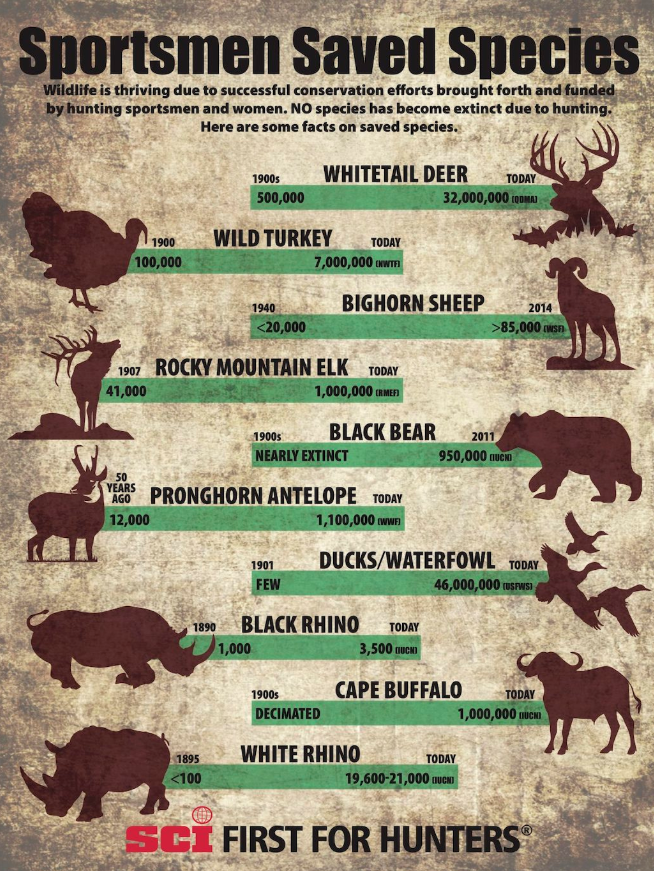
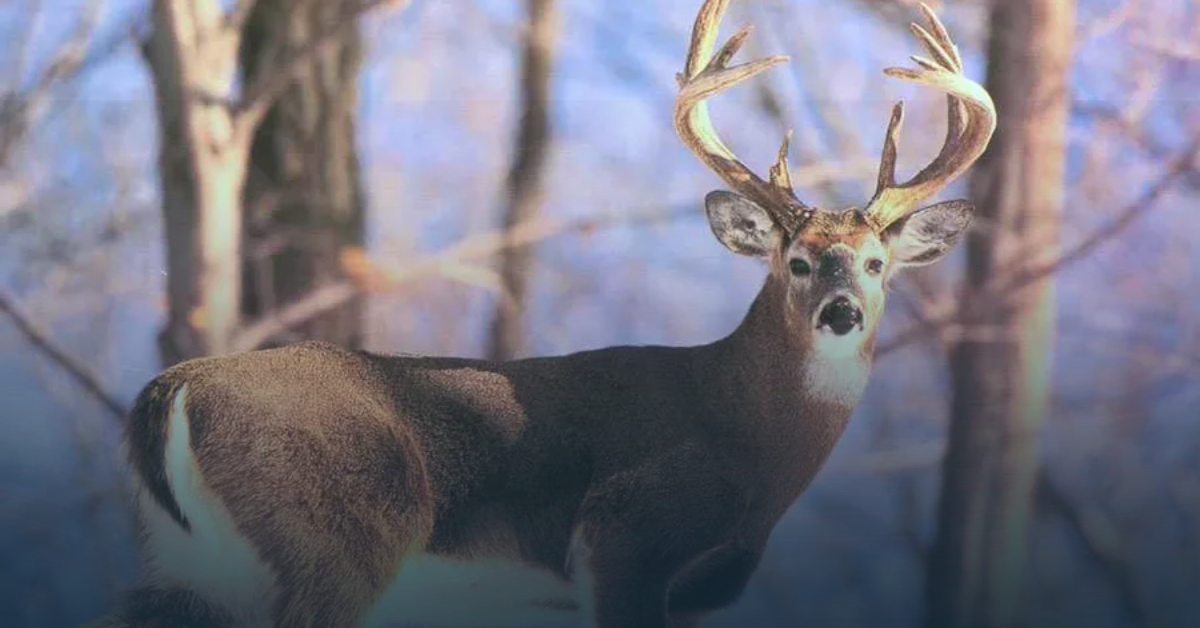
Natural resources and wildlife on public lands are managed by government agencies to ensure that current and future generations always have wildlife and wild places to enjoy.
Commercial hunting and the sale of wildlife is prohibited to ensure the sustainability of wildlife populations. The Lacey Act, which the Service has a role in enforcing, prohibits trade in wildlife, fish, and plants that have been illegally taken, possessed, transported or sold.
Laws and regulations developed by the people and enforced by state and federal agencies will guide the proper use of wildlife resources.
Every citizen has an opportunity, under the law, to hunt and fish in the United States and Canada. This differs from many other countries.
Individuals may legally kill certain wild animals under strict guidelines for food and fur, self-defense, and property protection. Laws prohibit the casual killing of wildlife merely for antlers, horns, or feathers, or the wanton waste of game meat.
Because wildlife and fish freely migrate across boundaries between states, provinces, and countries, they are considered an international resource.
The best science available will be used as a base for informed decision-making in wildlife management. It’s important to note that management objectives are developed to support the species, not individual animals.
Saturday, March 20, 2027 Greater Tacoma Convention Center 1500 Commerce Street, Tacoma, WA 98402
Join Us
Join us for our Annual Election of Board Members and Officers June 5, 2027, 9 AM to 2 PM
Join Us
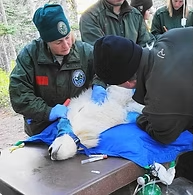
Mountain Goat Translocation Our dedicated members participated in the exhilarating Mountain Goat Translocation project in both 2018 and 2019, successfully relocating over 300 goats from Olympic National Park to the picturesque Cascade Mountains. This remarkable initiative is significantly enhancing and connecting the Mountain Goat herds across Washington State, making a substantial difference for these magnificent […]
Join Us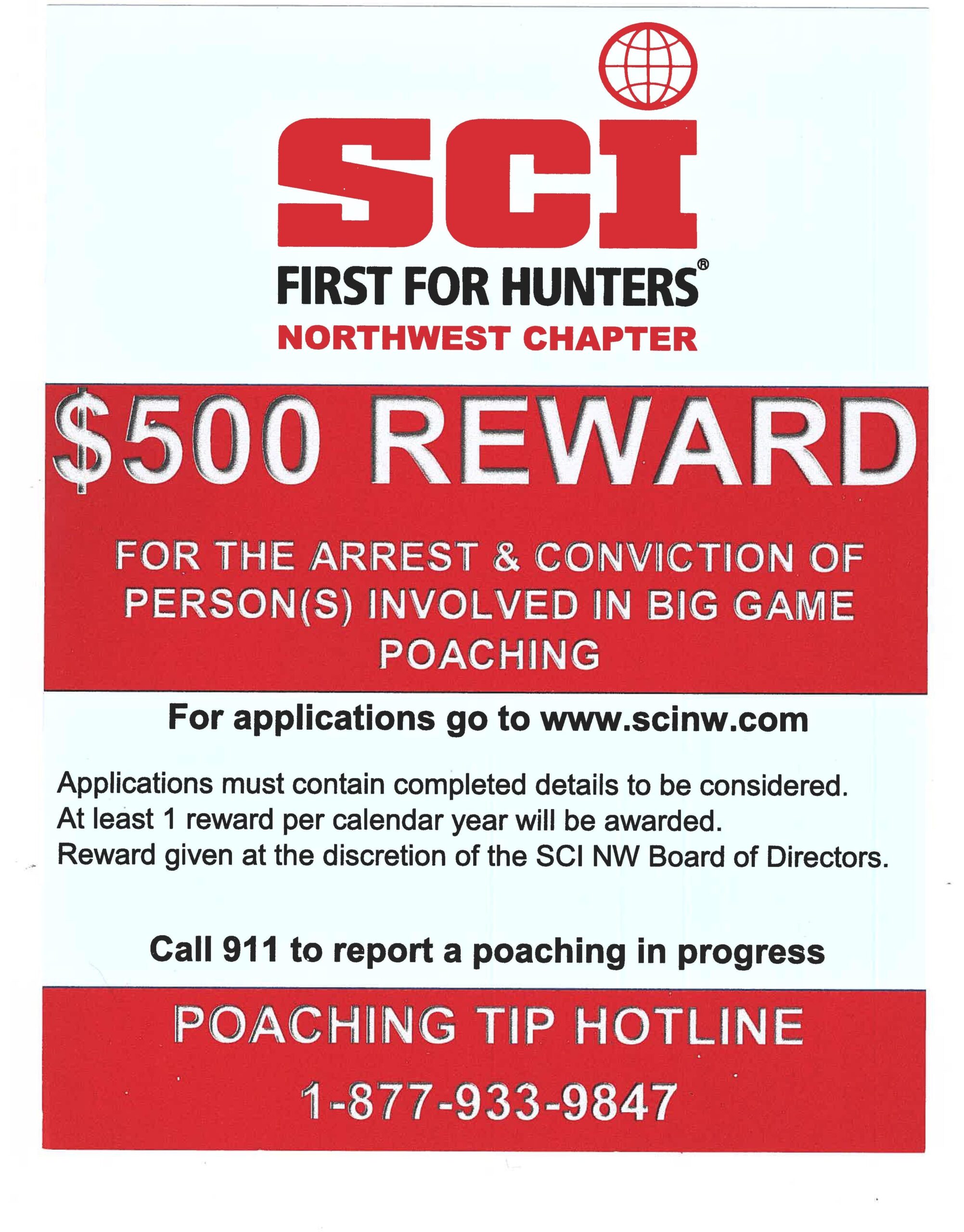
Individuals who have contributed to the conviction of a poacher, can apply for a $500 reward. Anti-Poaching signs can be picked up at our events. If you are a property Owner and would like to display our sign
Join Us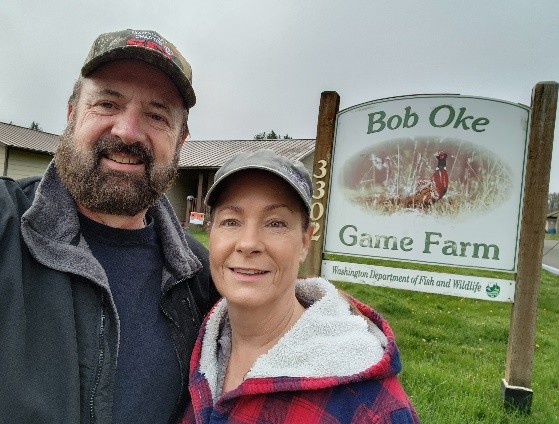
SCI Northwest Chapter volunteers build pheasant feeders and repair flight pens Bob Oke Pheasant Farm Our amazing volunteers have been hard at work, constructing Feeders and repairing flight pens at the Bob Oke Game Farm! Every year, this incredible place raises thousands of Pheasants for the WDFW Pheasant Release Program, and our volunteers help make it all […]
Join Us
The Sensory Safari provides a distinctive educational experience for both children and adults. It is particularly beneficial for individuals with visual impairments, as it emphasizes tactile and auditory learning. Participants are guided by experienced “safari guides” through various interactive displays featuring donated animal mounts, skins, skulls, and horns. The guides offer detailed explanations of the […]
Join Us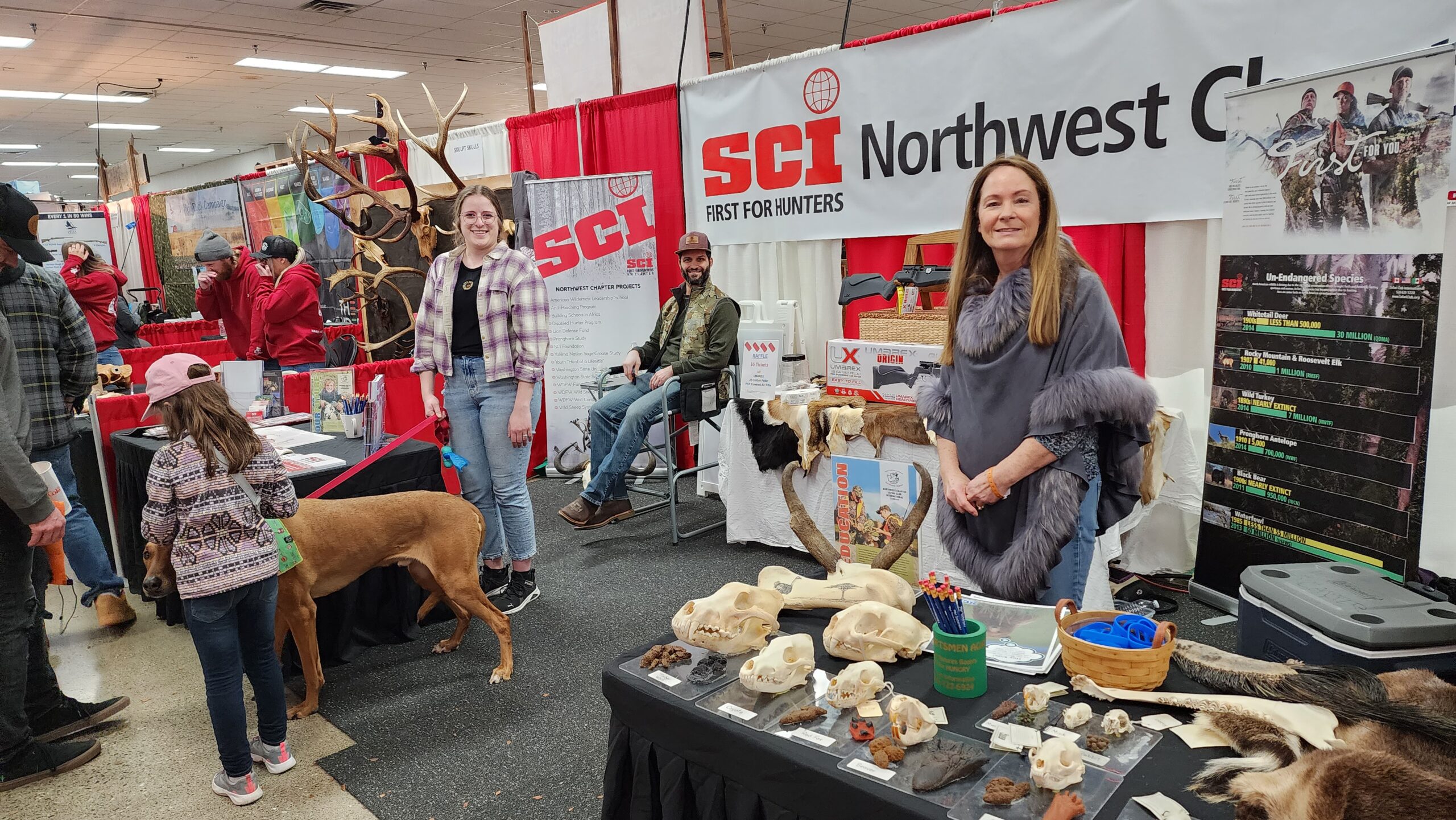
The Washington State Sportsmen’s Show is an SCI Northwest Chapter ongoing Project for education and membership recruitment. Volunteers are needed to staff the booth, share wildlife exhibits, recruit members, talk with attendees, distribute information, manage raffle drawings, and assist with booth setup and takedown. Shifts require at least two people, cover half days (AM or […]
Join Us
Lorem ipsum dolor sit amet, consectetur adipiscing elit. Sed vitae tincidunt ipsum.
Join Us
Lorem ipsum dolor sit amet, consectetur adipiscing elit. Sed vitae tincidunt ipsum.
Join Us
Lorem ipsum dolor sit amet, consectetur adipiscing elit. Sed vitae tincidunt ipsum.
Join Us
Lorem ipsum dolor sit amet, consectetur adipiscing elit. Sed vitae tincidunt ipsum.
Join Us
Lorem ipsum dolor sit amet, consectetur adipiscing elit. Sed vitae tincidunt ipsum.
Join Us
Lorem ipsum dolor sit amet, consectetur adipiscing elit. Sed vitae tincidunt ipsum.
Join Us
, Individuals who have contributed to the conviction of a poacher can apply for a $500 reward. Replace the Join Us on all the buttons with learn more.
Join Us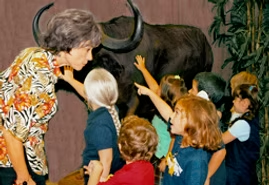
Located at the Washington State School for the Blind you can feel a wide variety of animals from around the world to “see” them. Experience what they look like from how they feel.
Join Us
SCI Northwest Chapter volunteers build pheasant feeders and repair flight pens Bob Oke Pheasant Farm Our amazing volunteers have been hard at work, constructing Feeders and repairing flight pens at the Bob Oke Game Farm! Every year, this incredible place raises thousands of Pheasants for the WDFW Pheasant Release Program, and our volunteers help make it all […]
Join Us
Located at the Washington State School for the Blind you can feel a wide variety of animals from around the world to “see” them. Experience what they look like from how they feel.
Join Us
Located at the Washington State School for the Blind you can feel a wide variety of animals from around the world to “see” them. Experience what they look like from how they feel.
Join Us
Lorem ipsum dolor sit amet, consectetur adipiscing elit. Sed vitae tincidunt ipsum.
Join Us
Lorem ipsum dolor sit amet, consectetur adipiscing elit. Sed vitae tincidunt ipsum.
Join Us
Lorem ipsum dolor sit amet, consectetur adipiscing elit. Sed vitae tincidunt ipsum.
Join Us
Located at the Washington State School for the Blind you can feel a wide variety of animals from around the world to “see” them. Experience what they look like from how they feel.
Join Us
Located at the Washington State School for the Blind you can feel a wide variety of animals from around the world to “see” them. Experience what they look like from how they feel.
Join Us
Sportsmen Against Hunger Donate your professionally processed wild game to a local food bank Local Food Banks Accepting Professionally Processed Wild Game Salvation Army Food Bank- Tacoma- (Phone: 253-572-8452) https://tacoma.salvationarmy.org/ Bonney Lake Food Bank- (Phone: 253-863-4043) https://www.bonneylakefoodbank.org/ Edmonds Food Bank- (Phone: 425-778-5833) https://edmondsfoodbank.org/ Bring your wild game to Linds Custom Meats, who offer a […]
Join Us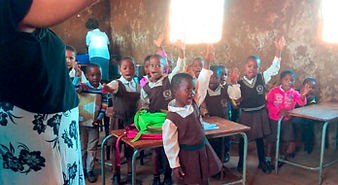
In 2016, the Northwest Chapter undertook an initiative to collect donations for the reconstruction of a school in Africa. Notably, Gary Tennison and Fred & JoDean Peters contributed personal donations to this cause. The Chapter itself contributed $3,500 to the project, supplemented by an additional $300 in donations from other members. Building The New […]
Join Us